
Where we have delivered
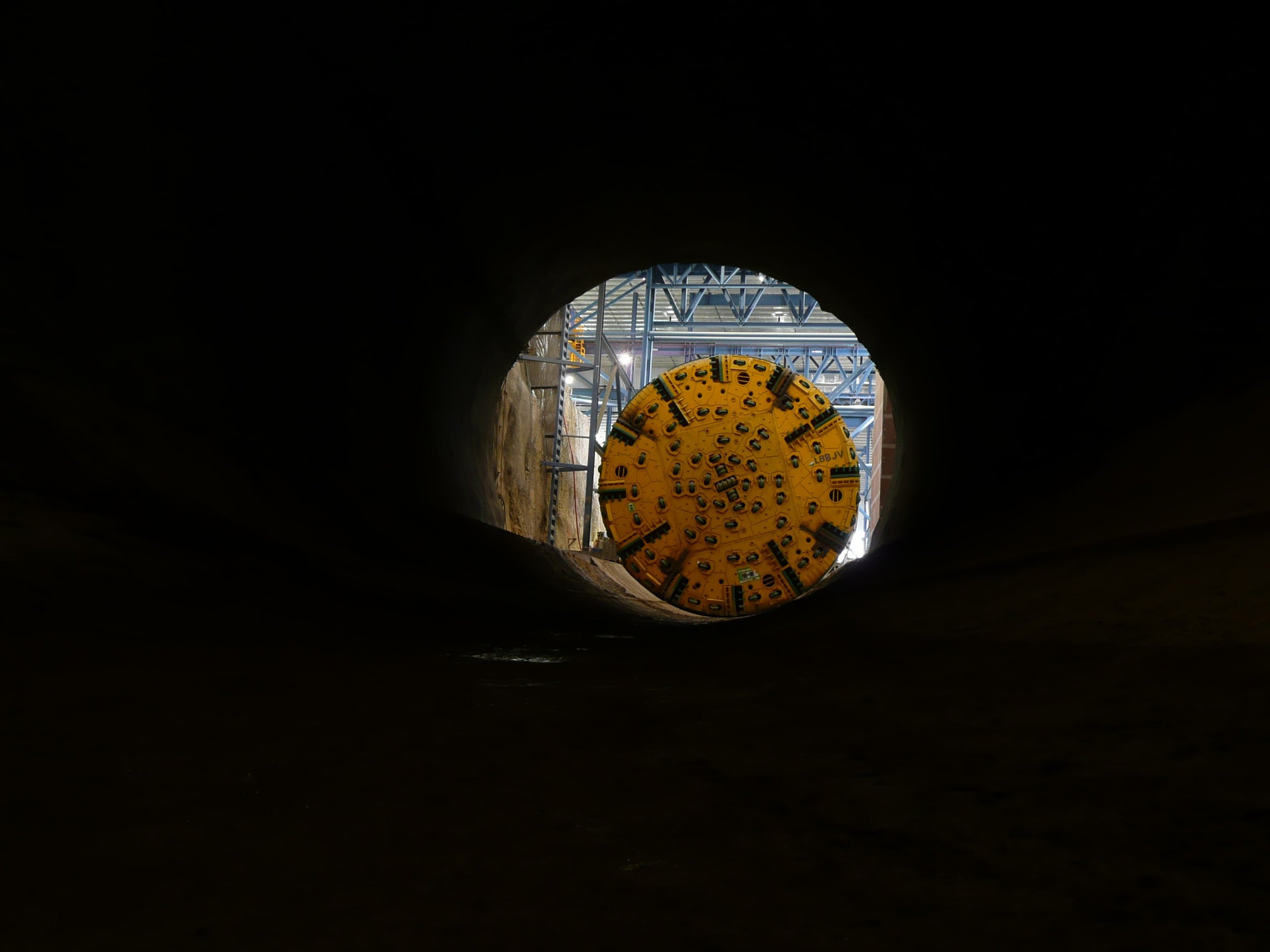
Image LBB JV
Some of the organisations we work with




Road, Rail and Utilities
From Tender to Completion
Energy Projects
Project Development & Tender
Mining
From Project Development to Completion
We played key roles in major infrastructure and energy projects across Australia, Europe, the Middle East and Asia-Pacific while being employed by major contractors. Here’s where we have made an impact and how that experience shapes how we work today.
Prior to Founding Underground and Energy Partners
Image reneweconomy.com
Image mastermyne.com.au
Image Transcity JV


Project
Cross River Rail
Brisbane, Queensland, Australia
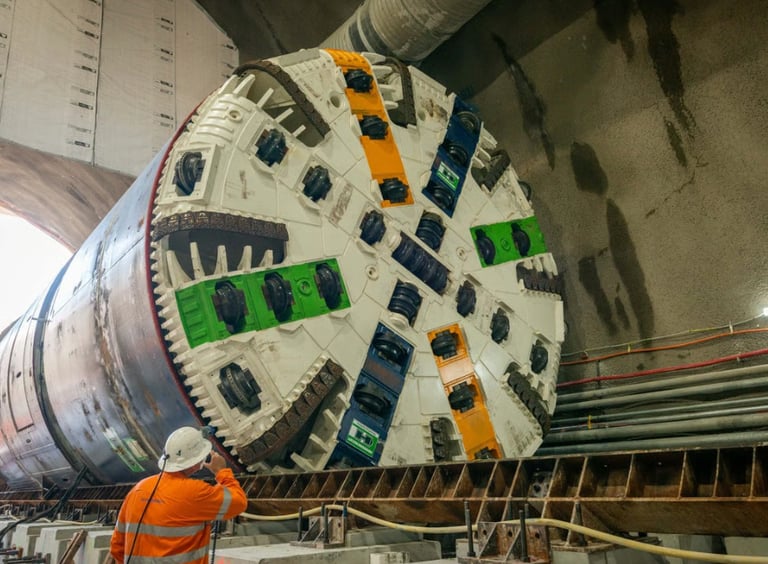
The Cross River Rail project is a transformative infrastructure initiative in Brisbane, Queensland, comprising a 10.2 km north-south rail line between Dutton Park and Bowen Hills. Central to the project are 5.9 km of twin tunnels beneath the Brisbane River and CBD. The development includes four new underground stations—Boggo Road, Woolloongabba, Albert Street, and Roma Street. The Tunnel, Stations and Development (TSD) scope is delivered by the CPB, Bam, Ghella UGL joint venture.
Image CBGU JV
Project
Sydney Metro
Sydney, New South Wales, Australia
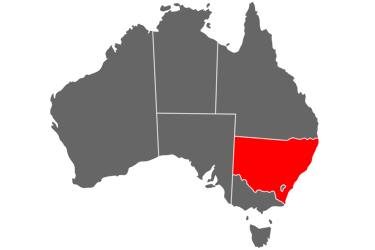
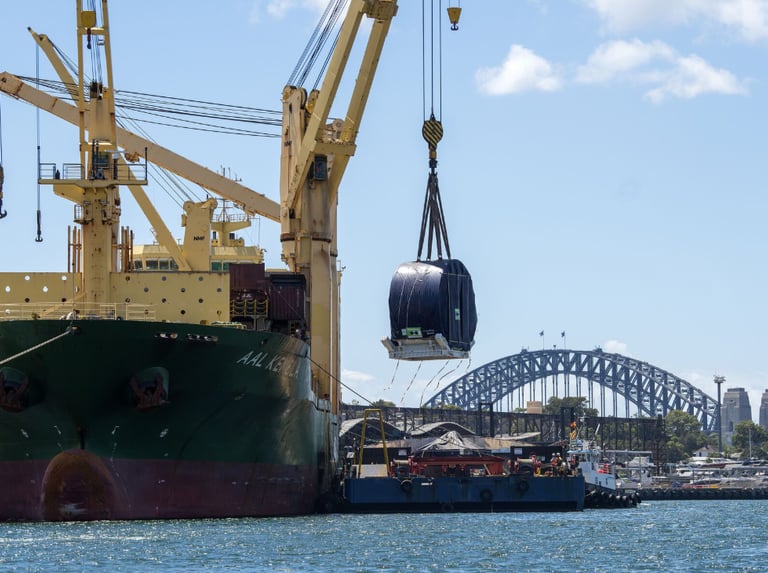
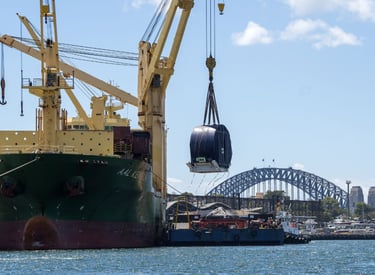
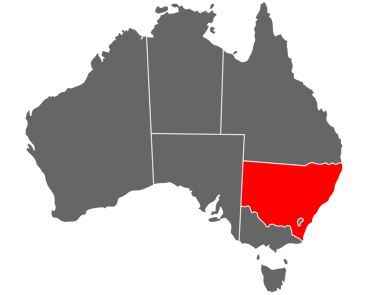
The Sydney Metro City & Southwest project extends 16.5 km from Chatswood to Sydenham, incorporating 15.5 km of twin tunnels crossing Sydney Harbour. It includes new underground stations at Crows Nest, Victoria Cross, Barangaroo, Martin Place, Pitt Street, and Waterloo. The tunnels, constructed using five tunnel boring machines, included a complex harbour crossing with challenging assembly and retrieval sites in Barangaroo and Blues Point. The project was delivered by the John Holland, CPB, Ghella JV. The City & Southwest section commenced operations in August 2024.
Image NSW Government
Project
Follo Line Highspeed Rail
Oslo, Norway



The Follo Line (Follobanen) is a 22 km high-speed railway linking Oslo Central Station to Ski, featuring 19.5 km of twin tunnels—the longest railway tunnels in Scandinavia—with an internal diameter of 8.75 m. Constructed using four 9.6m double-shield tunnel boring machines (TBMs), each tunnel bore spans approximately 18.5 km through hard Norwegian rock. The project was delivered by Acciona Ghella JV and opened in December 2022.
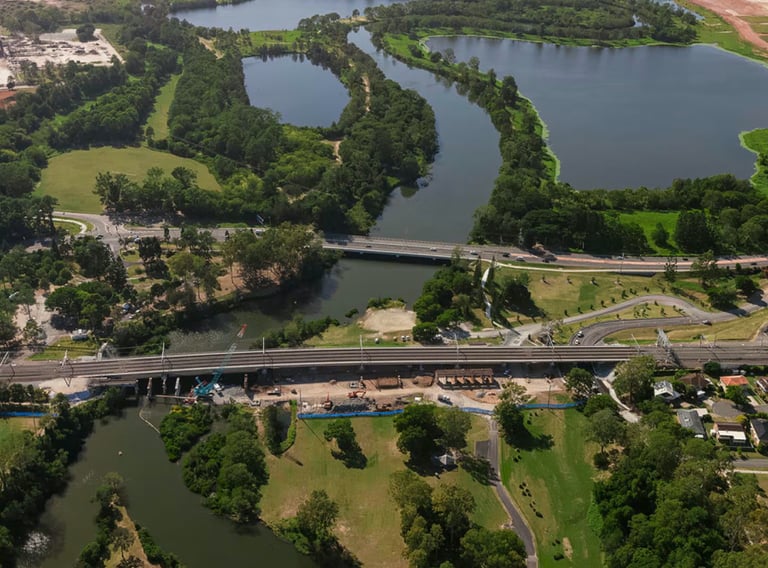

The Moreton Bay Rail Link (MBRL) major transport infrastructure initiative delivered a new 12.6 km dual-track passenger rail line to improve public transport access for Brisbane’s northern suburbs. The project included six new stations, bridges, roadworks, and active transport links, enhancing connectivity and reducing congestion in the growing Moreton Bay region. Connecting Petrie to Kippa-Ring, the project was delivered by the Thiess Joint Venture, with Martinus Rail providing track laying and associated infrastructure. Construction commenced in mid-2012 and was completed in mid-2016, with passenger services beginning in October 2016.
Project
Moreton Bay Rail Link
Brisbane, Queensland, Australia
Image aurecongroup.com
Project
Legacy Way Tunnel
Brisbane, Queensland, Australia

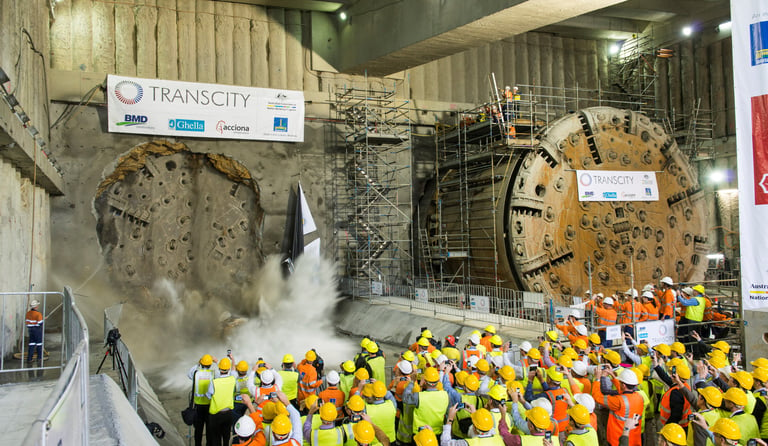
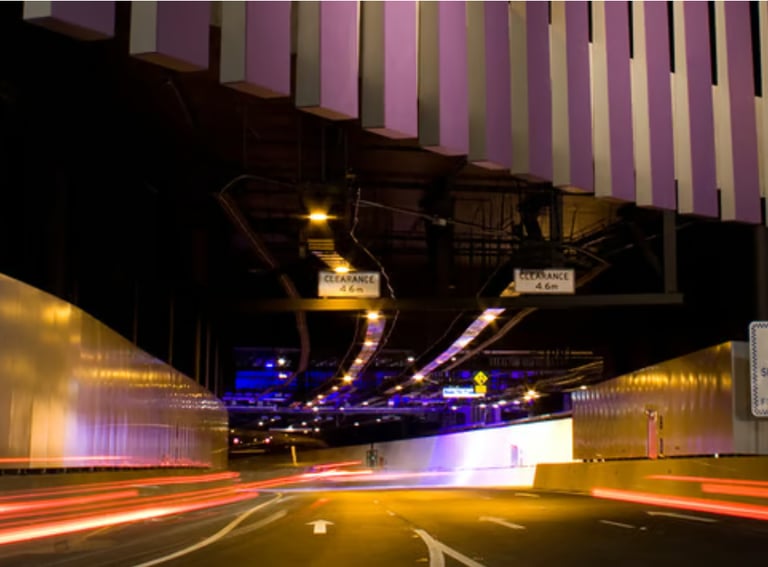
Legacy Way is a 4.6 km twin-bore motorway tunnel in Brisbane, connecting the Western Freeway at Toowong with the Inner City Bypass at Kelvin Grove. Each tunnel accommodates two lanes of traffic and was constructed using 12.4m Herrenknecht double-shield tunnel boring machines previously used on the CLEM7 project in Brisbane. These TBMs achieved world record-setting progress in their diameter class, completing the 4.3 km drives in 7 and 10 months, respectively. Those records still stand a decade on. The project developed a dedicated conveyor tunnel to a nearby quarry for spoil disposal, significantly reducing environmental impacts and successfully operating under both Workplace Health and Safety and Mining legislation. Delivered by the Transcity Joint Venture with BMD, the project marked the successful entry of Acciona and Ghella into Australia’s underground construction sector. Construction began in April 2011 and the tunnel opened in June 2015.
Project
Airport Link Tunnel
Brisbane, Queensland, Australia
Image theurbandeveloper.com
The $5 billion Brisbane Airport Link is a 6.7 km toll road, primarily underground, connecting the Clem Jones Tunnel and Inner City Bypass at Bowen Hills to the East–West Arterial Road near Brisbane Airport. The project features twin three-lane tunnels with a finished span of approximately 13 m, constructed using two Herrenknecht Earth Pressure Balance Tunnel Boring Machines (TBMs), each 12.45 m in diameter and 165 m long. These TBMs, named "Sandy" and "Rocksy," were the largest to have tunnelled in Australia at the time, excavating over 2 km each through varying geology. The tunnels reach depths of up to 40 m beneath residential and commercial areas. The project also included five on- and off-ramp tunnels, a two-lane busway tunnel, and 25 bridges, totalling over 12.6 km of tunnelling. Construction was completed in July 2012, with the project delivered under a public-private partnership between BrisConnections and the Thiess-John Holland Joint Venture.

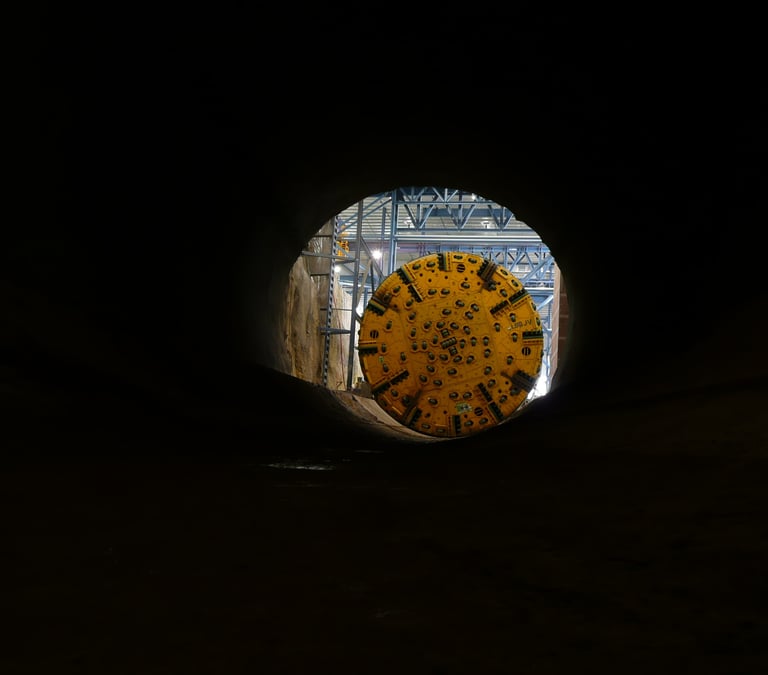
The Clem Jones Tunnel (CLEM7) is a 6.8 km motorway-grade toll road in Brisbane, featuring 4.8 km of twin two-lane tunnels beneath the Brisbane River, reaching depths up to 60 m. The project utilised two Herrenknecht double-shield tunnel boring machines (TBMs) with diameters of 12.4 m, among the largest of their kind at the time. The construction methodology enabled the roadway, cross passages and smoke ducts being constructed concurrently. Despite the complex operation, the TBMs set the performance world record for their size, until the same machines broke that record on the Legacy Way Project. The project was delivered through a public-private partnership by Leighton, Baulderstone, Bilfinger Berger JV (LBB JV) starting in late 2007 with operation commencing in March 2010.
Project
CLEM7 Tunnel
Brisbane, Queensland, Australia
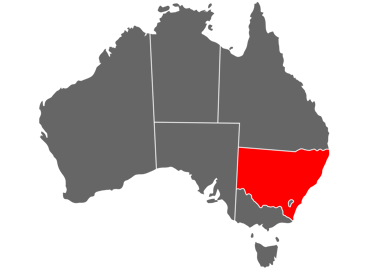
The Lane Cove Tunnel is a 3.6 km twin-tube motorway tunnel in Sydney, Australia, connecting the M2 Motorway with the Gore Hill Freeway. Constructed by the Thiess-John Holland joint venture, the project commenced in June 2004 and opened to traffic in 2007, two months ahead of schedule. The tunnel was built using road headers with a significant construction milestone being the completion of the tunnel's advanced ventilation system, considered one of the most sophisticated in Australia at the time.
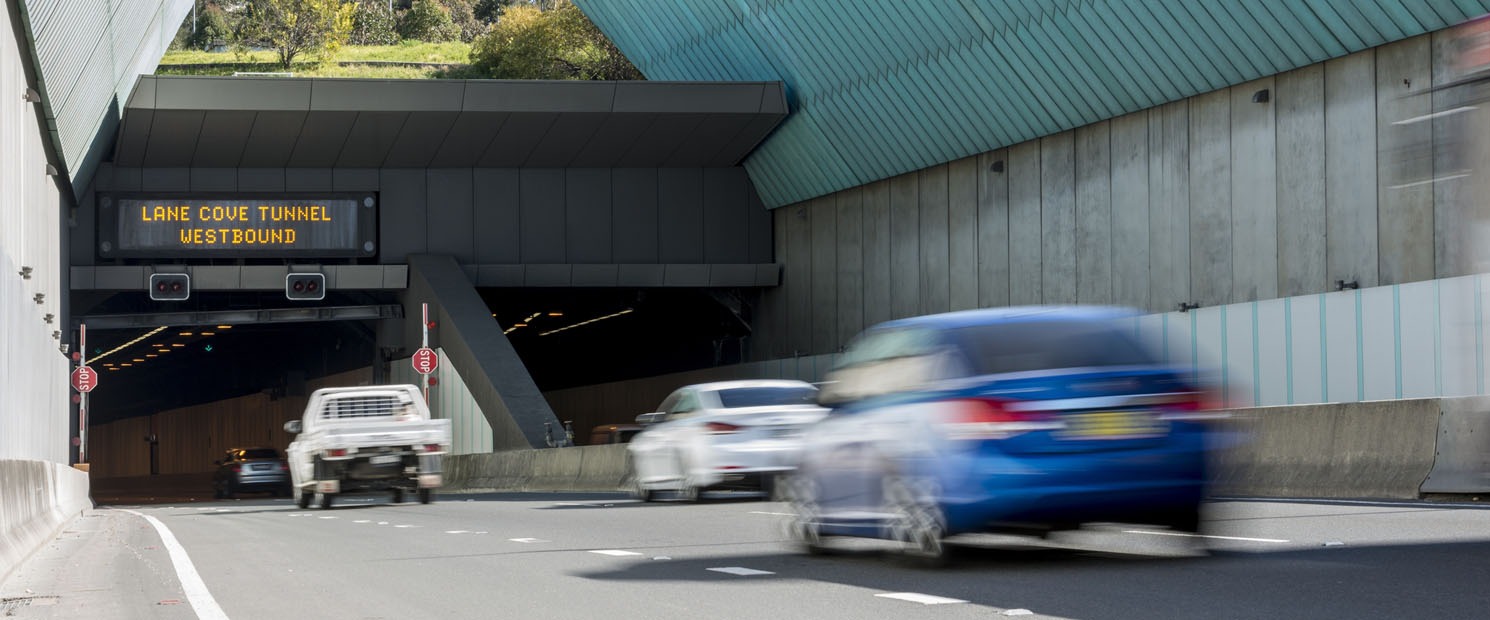
Image lanecovetunnel.com
Project
Lane Cove Tunnel
Sydney, New South Wales, Australia
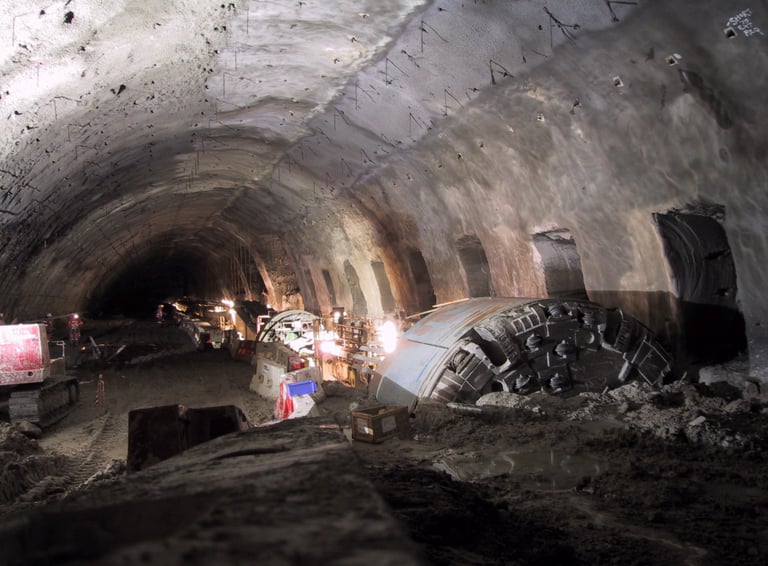
The Parramatta Rail Link project, later renamed Epping to Chatswood Rail Link (ECRL), includes 12 km of twin tunnels with three stations and a crossing of the Lane Cove River connecting Epping and Chatswood. Constructed between 2002 and 2009 by the Thiess-Hochtief Joint Venture, the project utilised two Robbins Main Beam Tunnel Boring Machines (TBMs). After operating as a suburban shuttle from 2009 to 2018, the line was integrated into the Sydney Metro Northwest and reopened in 2019 as part of Australia’s first fully automated metro system.
Project
Epping to Chatswood Rail Link
Sydney, New South Wales, Australia
Image THJV
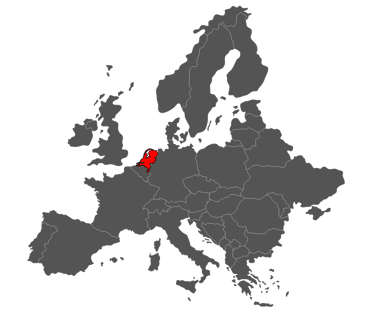

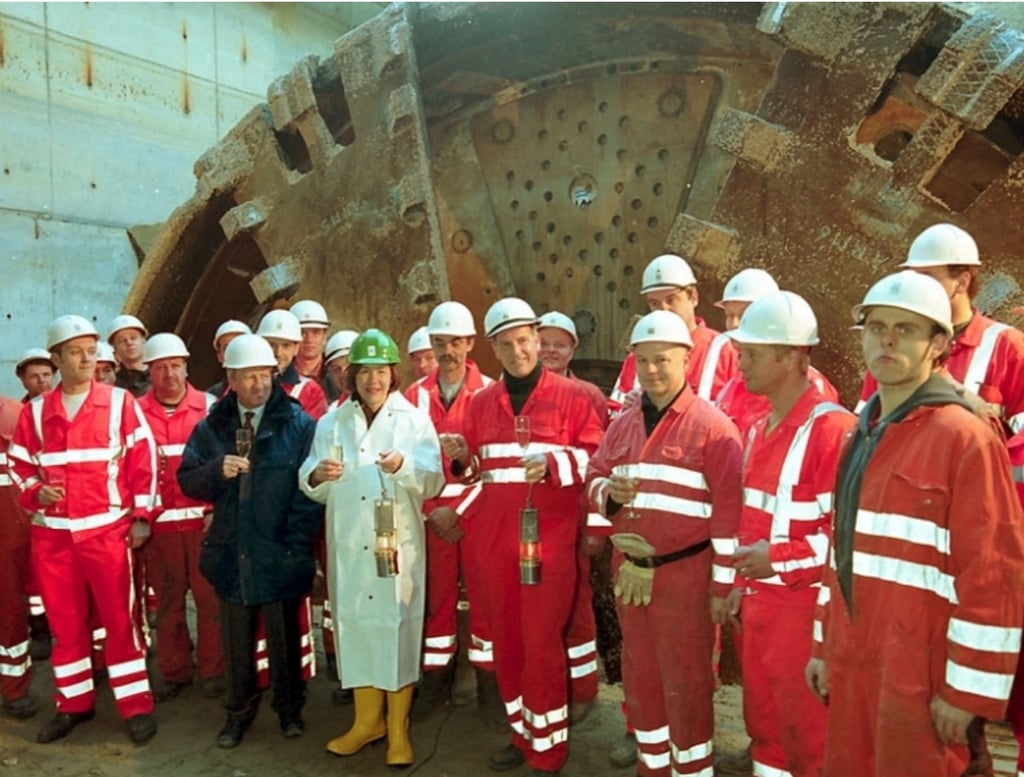
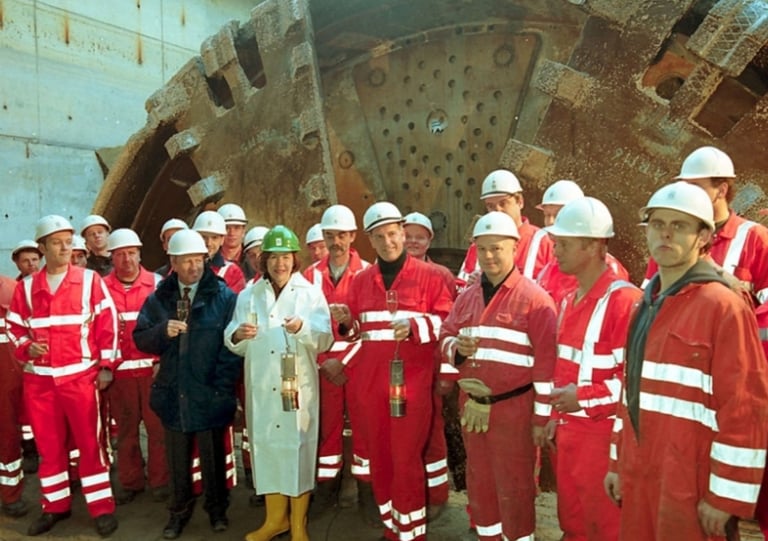
The €750 million Westerschelde Tunnel, located in the Netherlands, is a 6.6 km twin-bore road tunnel beneath the Western Scheldt estuary, connecting Ellewoutsdijk on Zuid-Beveland to Terneuzen in Zeeuws-Vlaanderen. Constructed by KMW, a JV consisting of Franki Construct, Heijmans, Royal BAM Group, Philipp Holzmann, TBI Beton- en Waterbouw Voormolen and Wayss & Freytag using two 11.33m Herrenknecht Hydroshield tunnel boring machines (TBMs). The tunnel reaches depths of 60 metres below sea level and included the use of world-first saturation diving provisions on the TBMs. The project faced significant challenges due to high water pressures and soft ground conditions including deformation issues on the TBMs and damage to the main bearing seals. After overcoming all challenges, the tunnels opened on March 14, 2003.
Project
Westerscheldetunnel
Terneuzen, Zeeland, Netherlands
Image WST
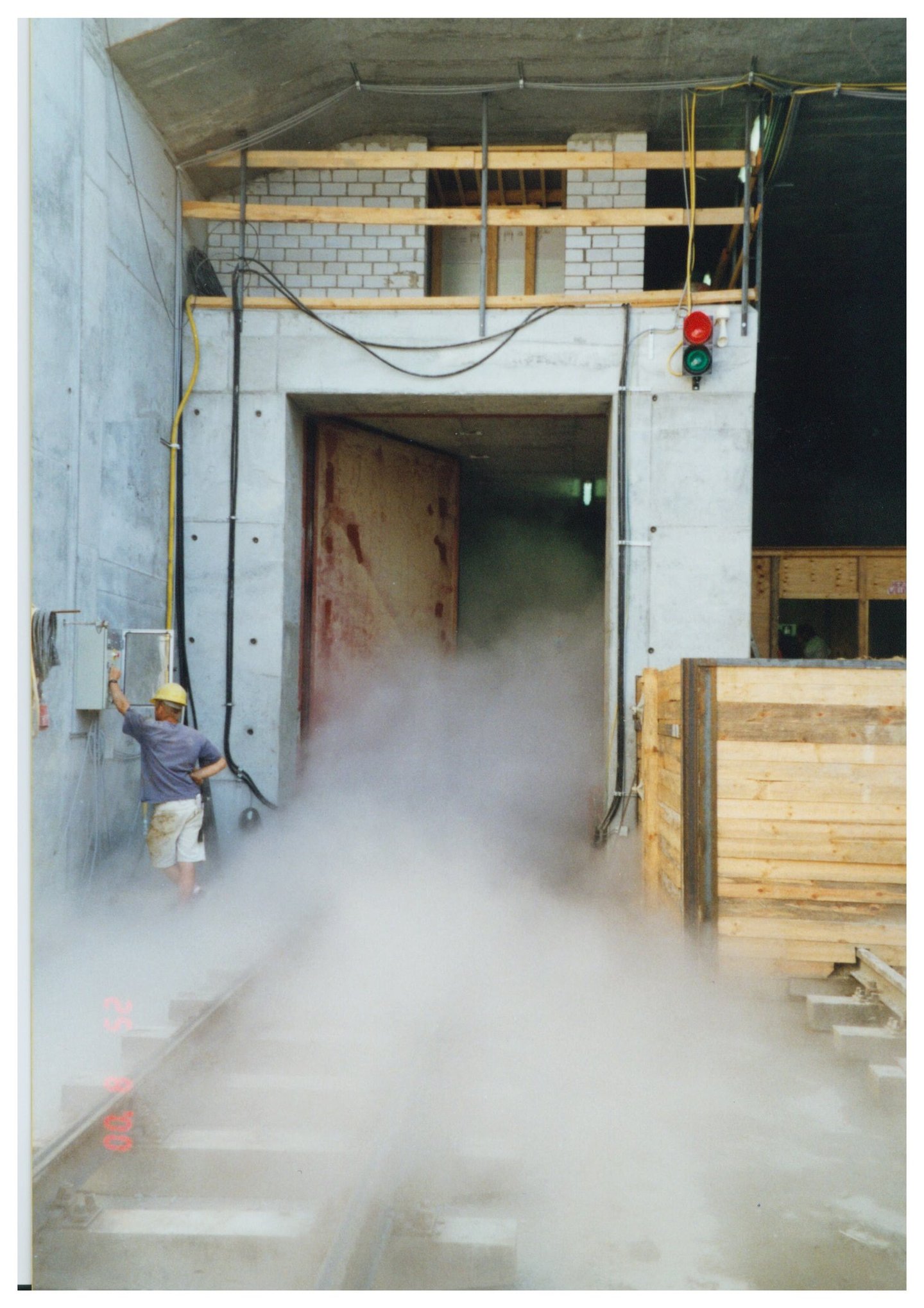
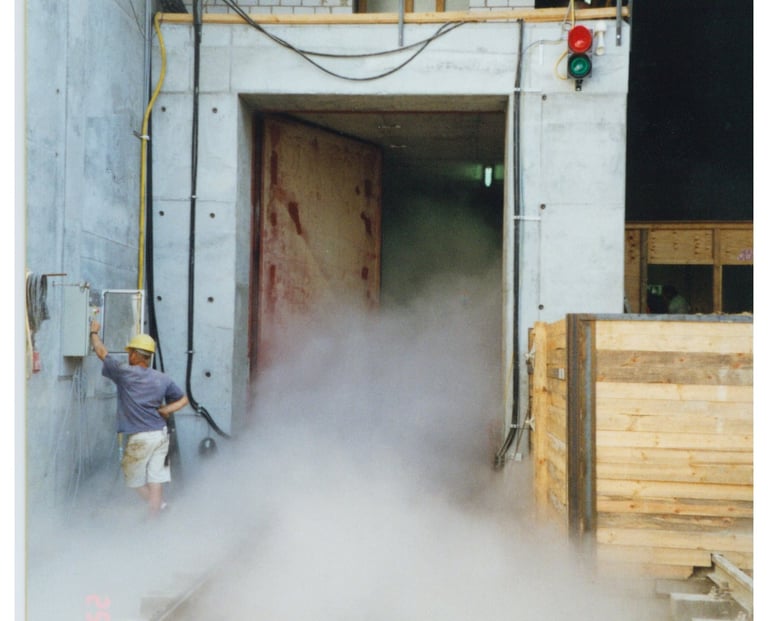
The Audi Tunnel in Ingolstadt, Germany is a 1,258 m twin-track railway tunnel forming part of the Nuremberg-Ingolstadt high-speed line. Constructed between 1999 and 2002 by a JV consisting of Walter Bau, Heilit + Woerner and Dyckerhoff & Widmann, it passes underneath Audi's car manufacturing site. The Audi Tunnel Nord was built using a top-down cut and cover method under compressed air. Diaphragm walls and a roof slab were constructed first from surface level, then the tunnel was excavated and concrete lined beneath the lid in a pressurised environment to counter groundwater inflow in the highly permeable ground. This approach minimised surface settlement and avoided disruption to factory operations, making it a technically demanding yet highly controlled construction method.


Project
Audi High-Speed Rail Tunnel
Ingolstadt, Germany
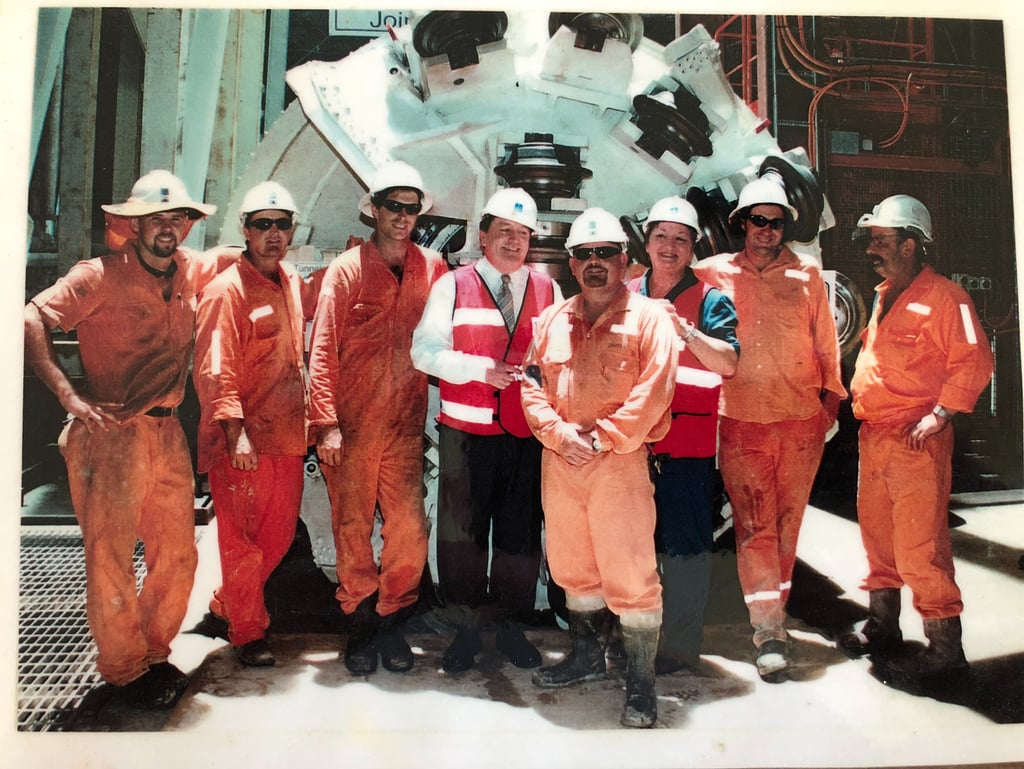
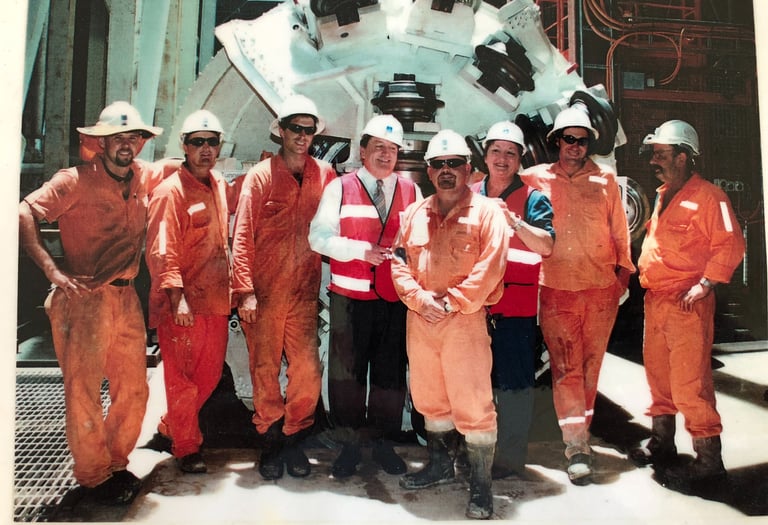
The S1 Main Sewer Interceptor is a 4.6 km tunnel running at an average depth of 25 m from North Quay to Kingsford Smith Drive in Brisbane. The A$37M design-and-build project was delivered by the Eroc-Obayashi Joint Venture (Eroc is now Redpath Australia) between 1999 and 2001. Construction was split into two TBM drives from a main shaft at Perry Park: a 1 km soft ground drive using a Lovat EPBM, and a 3.6 km hard rock drive using a Robbins TBM. The 2.4 m internal diameter tunnel passes through varied geology beneath Brisbane's CBD, with both drives completed within six months of each other. The project was completed on schedule in mid-2001.
Project
S1 Sewer
Brisbane, Queensland, Australia
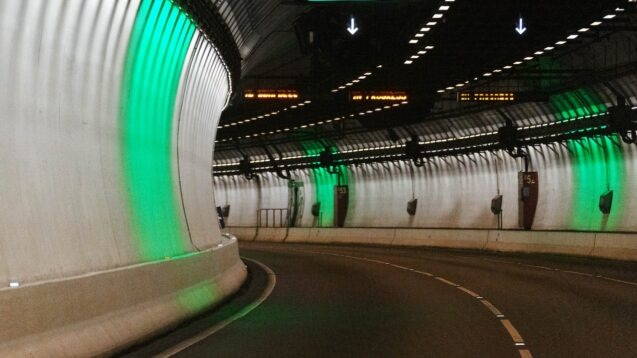
The Burnley Tunnel is a 3.4 km eastbound road tunnel in Melbourne, forming part of the CityLink tollway network. Constructed between 1996 and 2000 by the Transfield–Obayashi Joint Venture, the tunnel runs beneath the Yarra River and the inner suburbs of Richmond and Burnley, providing a bypass of the central business district. The project faced significant engineering challenges due to soft, wet, and inconsistent ground conditions, leading to complex construction scenarios. Prior to its opening, the tunnel experienced structural issues, including floor heaving, which required the installation of hundreds of rock anchors to stabilise the structure. Despite these challenges, the Burnley Tunnel was officially opened in December 2000 and has since become a vital component of Melbourne's transport infrastructure. In 2023, a dynamic pacemaker lighting system was introduced to enhance traffic flow and safety within the tunnel.
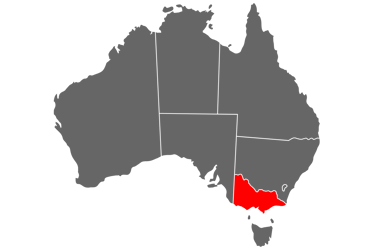
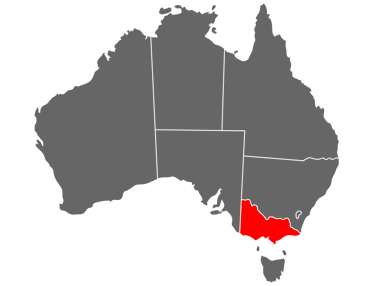
Image infrastructure.org.au
Project
CityLink - Burnley Tunnel
Melbourne, Victoria, Australia
Project
Marka Sewer Tunnel
Amman, Jordan
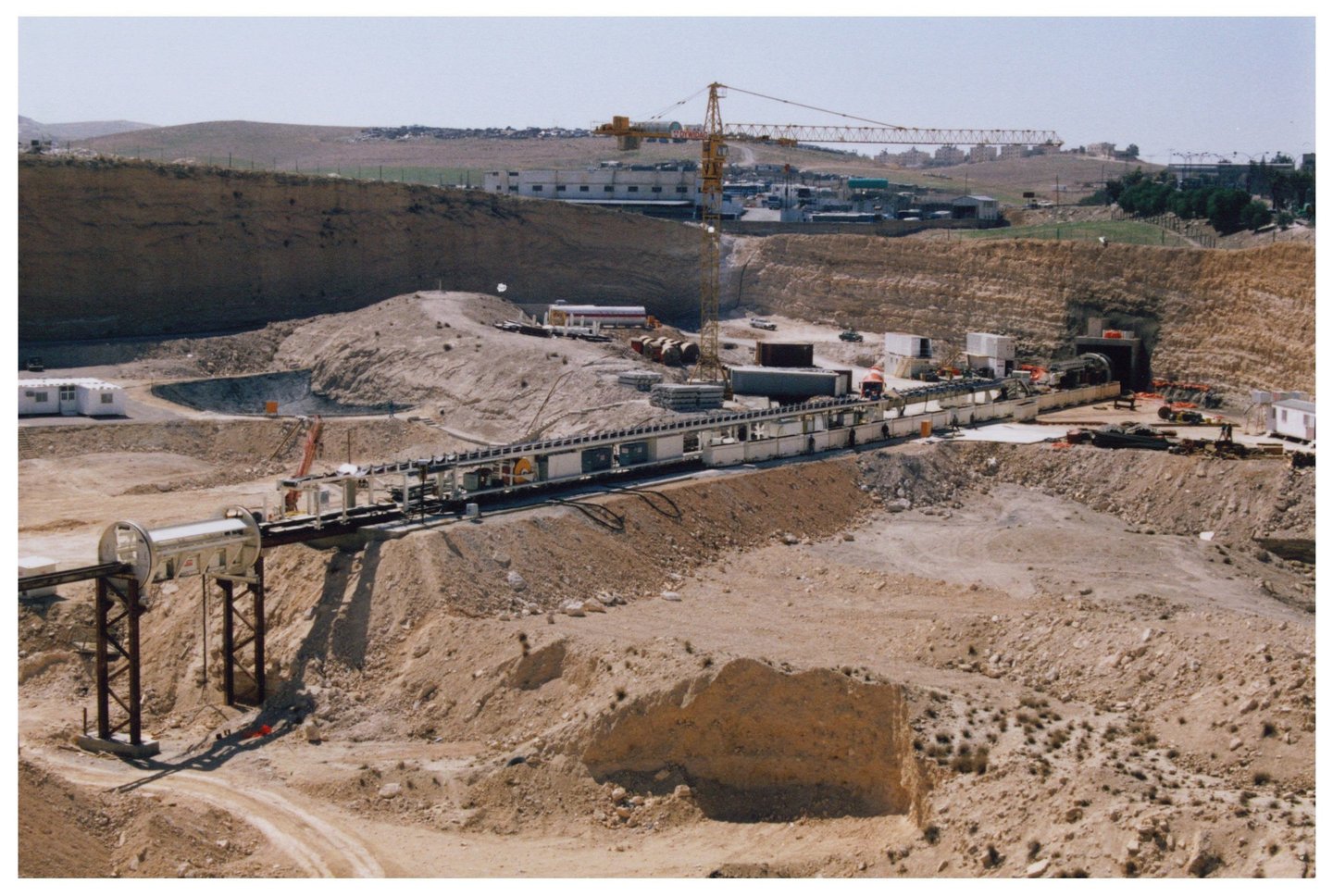
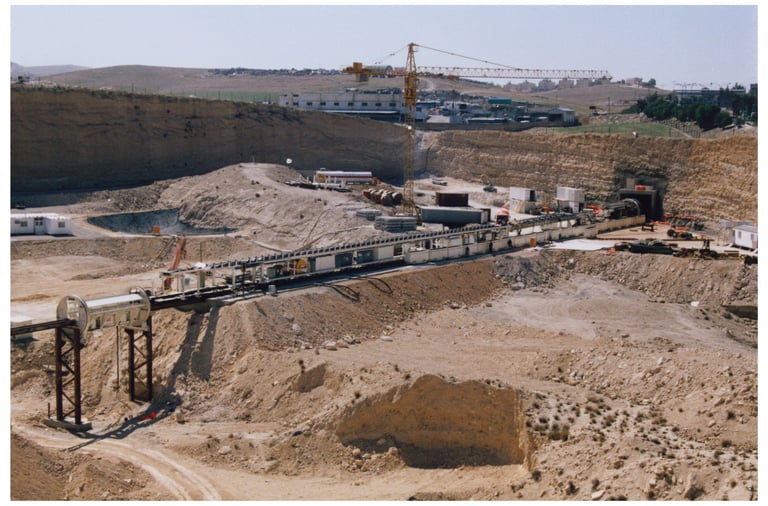
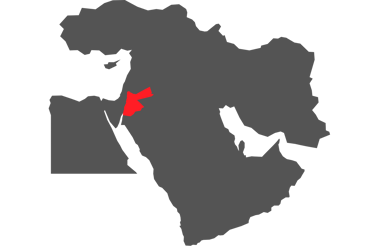
Forming part of the Greater Amman Water Supply and Sewerage initiative, the tunnel enhances sewer infrastructure in the Marka district of Jordan. This portion of the system features a 5.3 m diameter tunnel which was constructed by DYWIDAG between 1997 and 2000 using a 5.3 m JARVA hard rock gripper TBM provided by ILBAU.
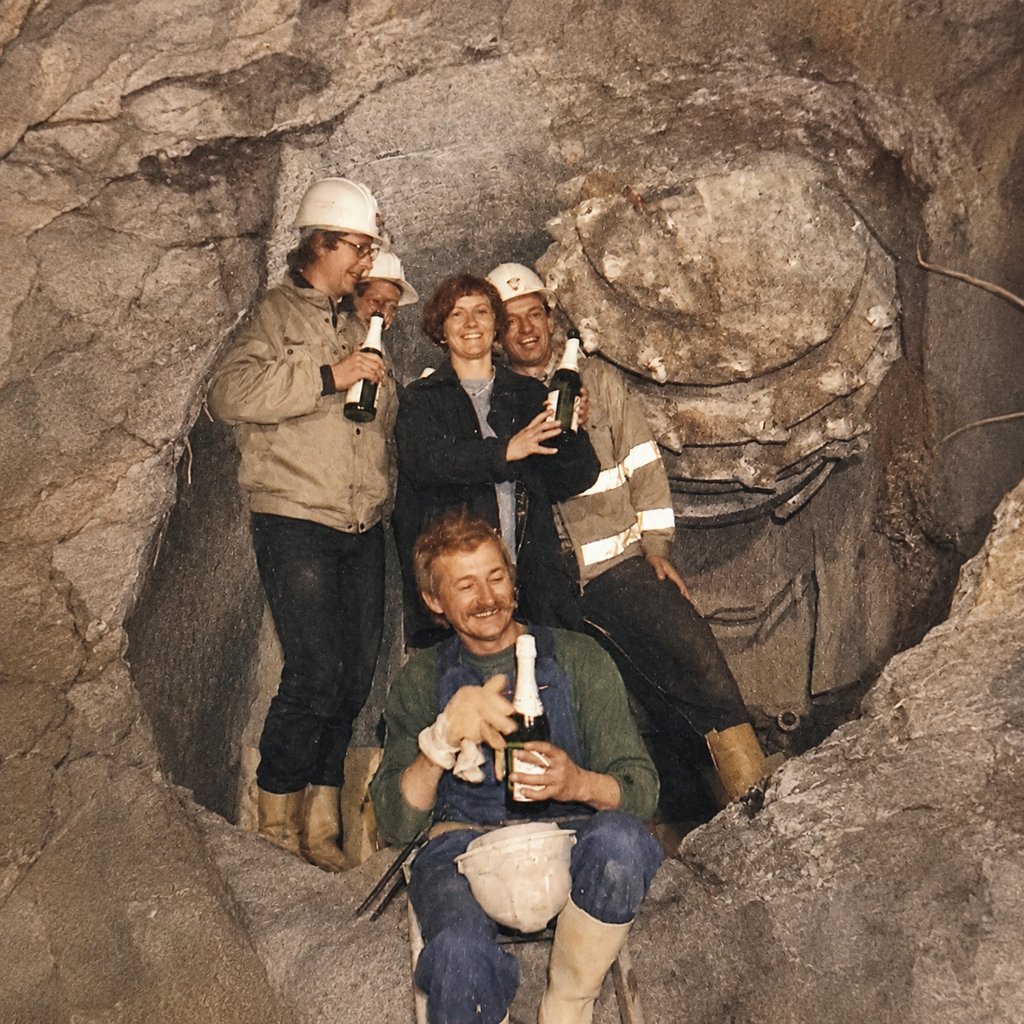
The northern extension of Nuremberg's U2 line runs 2,388 m from Ziegelstein to the city's airport. To keep the project within budget it was built as a single track. Between 1996 and 1998 DYWIDAG drove the running tunnel from an open-cut box, working in both directions to complete two sections of 522 m and 1,088 m at a cross section of 30 m². Excavation was by Eickhoff roadheaders and NATM principles, with spoil cleared with a ROWA continuous conveyor system. The use of the conveyor system increased progress rates and allowed for immediate concreting of the invert behind the roadheader — an innovative approach that worked well, especially in the wet ground that was encountered.

Image infrastructure.org.au
Project
Metro Ziegelstein - Airport
Nuremberg, Germany
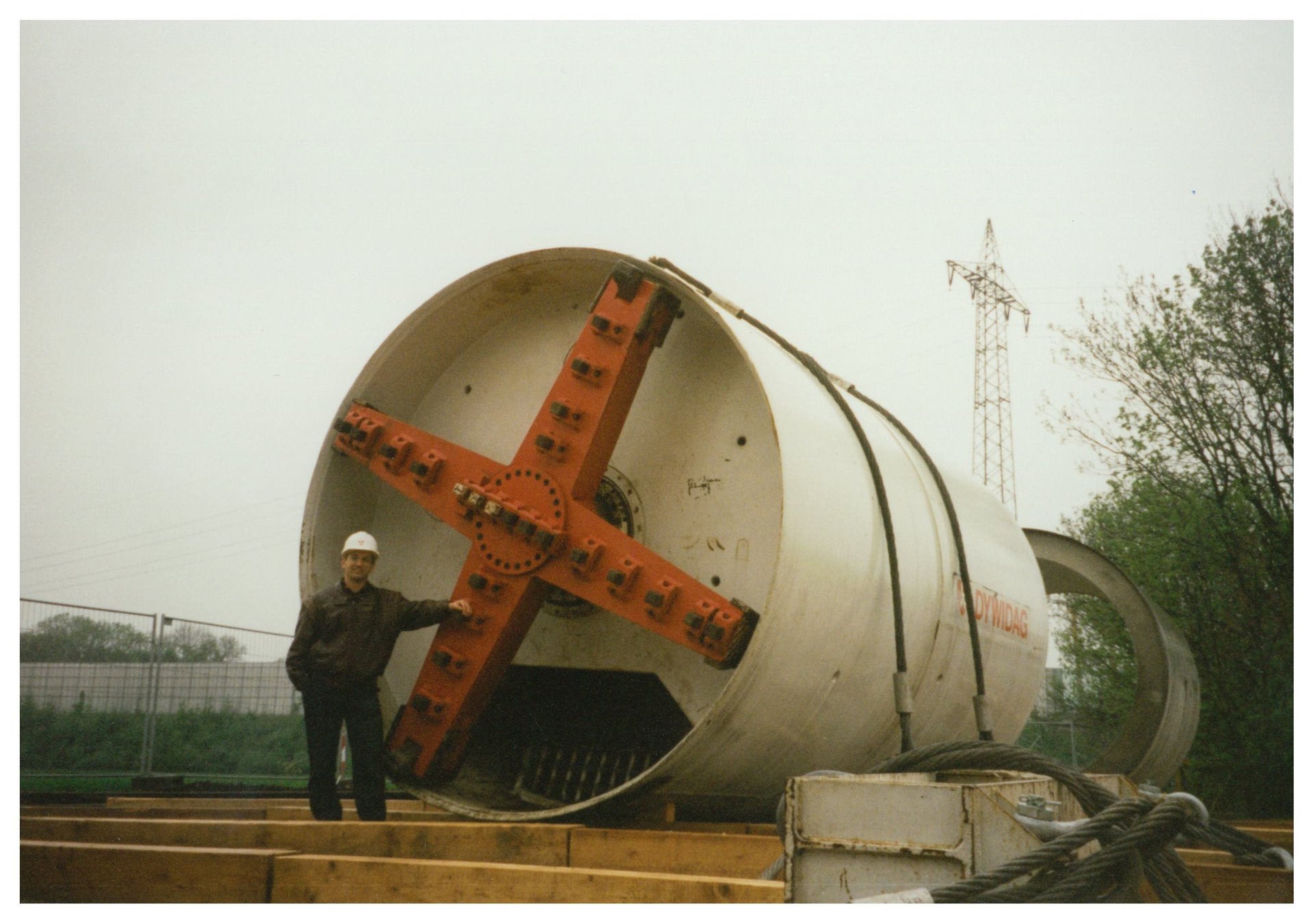
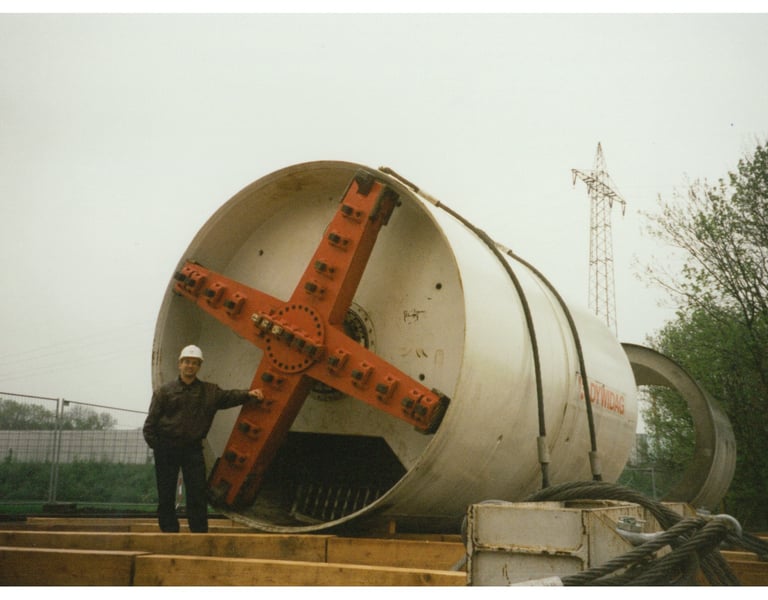
Forming part of Munich's municipal sewer network, the Grashofstrasse sewer tunnel was constructed by DYWIDAG in 1996 using pipe jacking behind a 3.4 m slurry shield. Three drives of 492 m, 101 m and 308 m installed concrete pipes of 2,740 mm internal diameter through the quaternary gravels beneath the city.
The shield used on this project was Herrenknecht S-38, later followed by S-137 and S-138 on the Westerscheldetunnel and S-1136 to S-1140 on Sydney Metro.
Project
Sewer Grashofstrasse
Munich, Germany

Feasibility Study
Mt Rawdon Pumped Hydro
Queensland, Australia
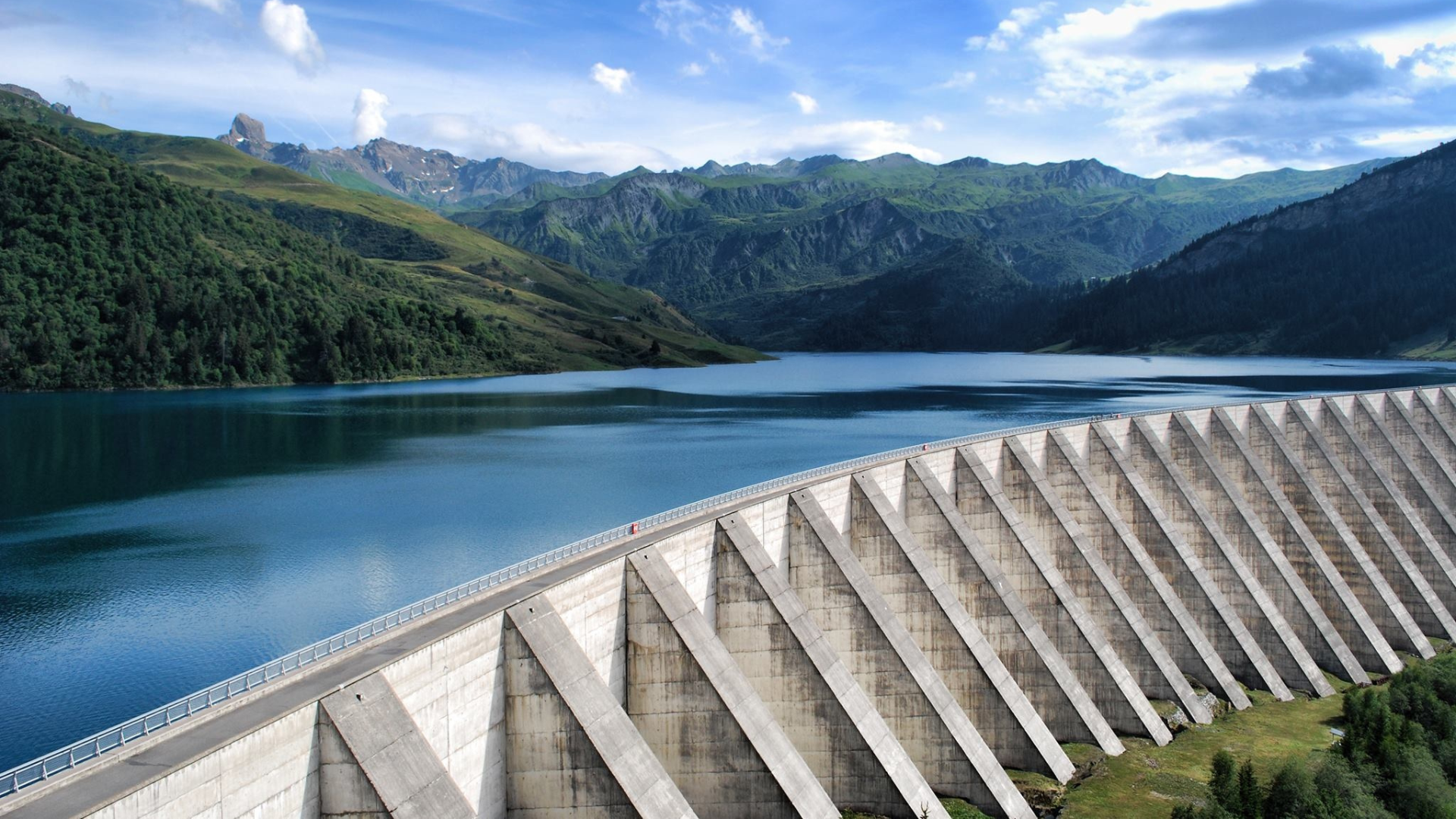
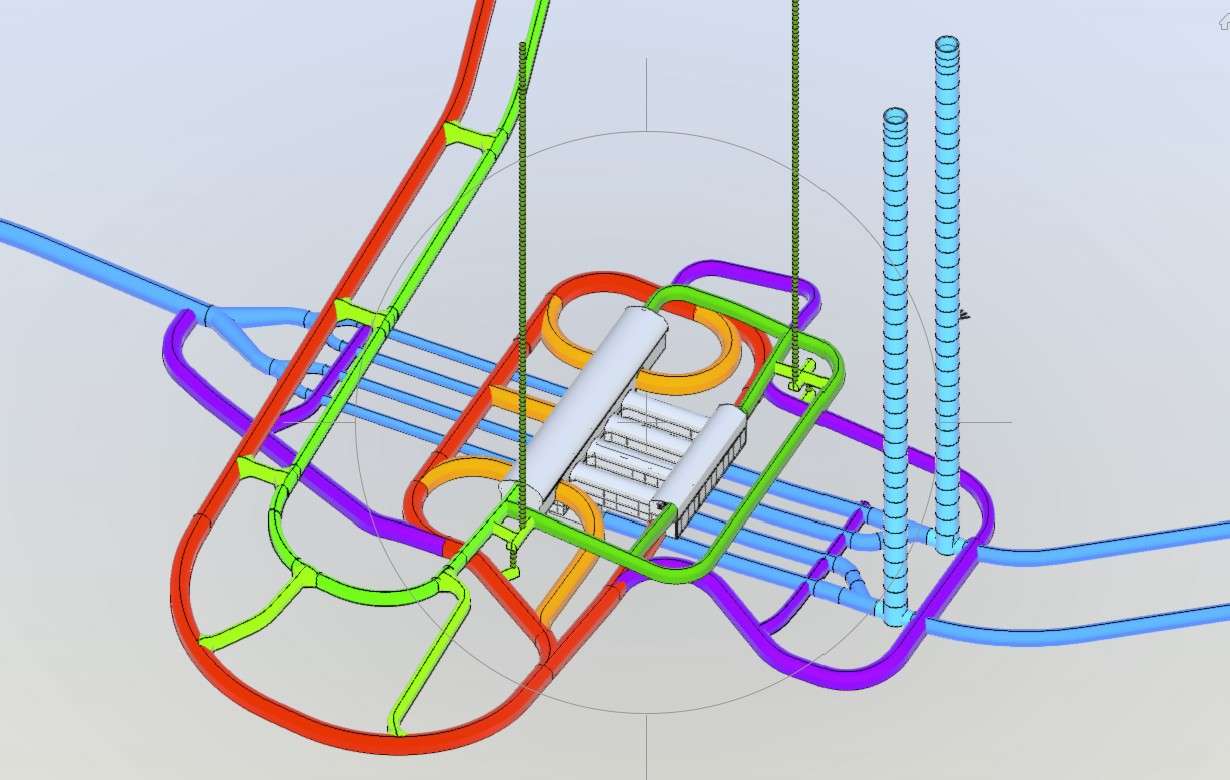
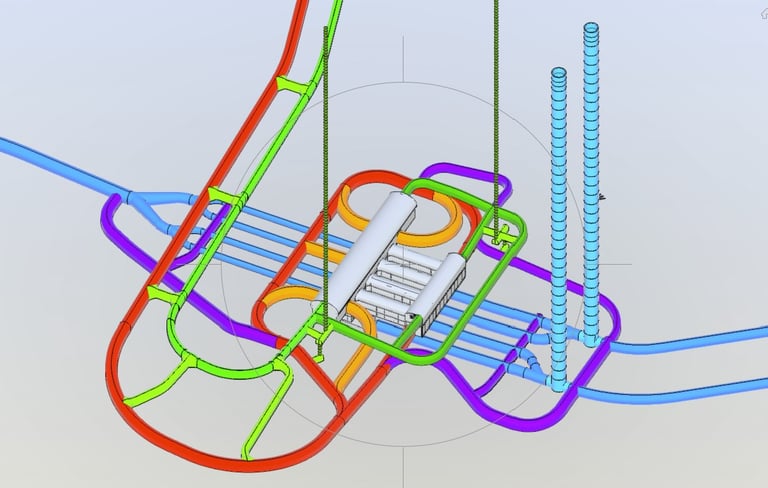
The Mount Rawdon Pumped Hydro Project is a proposed pumped hydro energy storage development near Mount Perry, Queensland, about 75 km south-west of Bundaberg. It would repurpose the open pit of the former Mount Rawdon gold mine as a lower reservoir, paired with a purpose-built upper reservoir, underground waterways, and an underground powerhouse - a configuration capable of up to 1,360 MW and 28 GWh of storage. Underground and Energy Partners worked closely with the proponent and CleanCo - which held an option over the project - through the engineering feasibility study, helping shape the scheme into its current form and supporting the assessment that underpinned CleanCo's positive view of the option. From late 2025, the project was also being considered under a separate Queensland Investment Corporation (QIC) assessment of four competing pumped hydro schemes, and in June 2026 the Queensland Government confirmed it would not be prioritised for state investment; its proponents are now weighing its future.
Image: MRPH

ECI
Borumba Pumped Hydro
Queensland, Australia
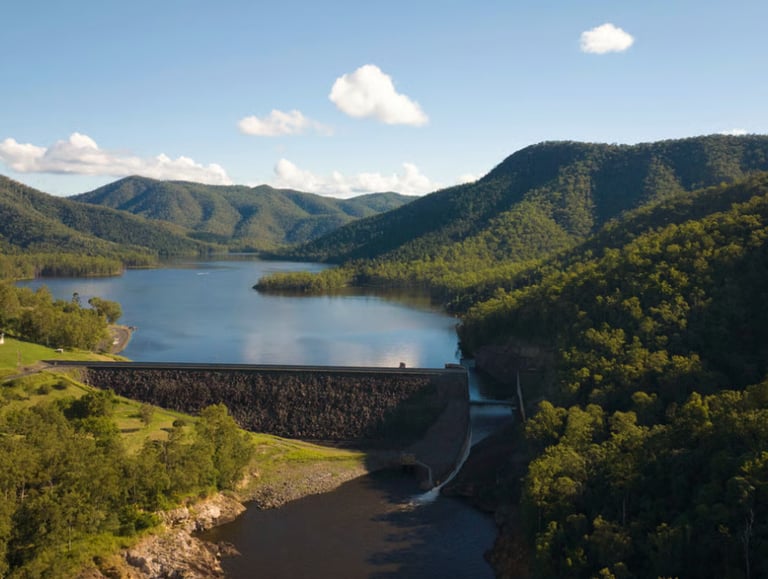
The Borumba Pumped Hydro Project is a proposed 2 GW / 48 GWh long‑duration pumped‑hydro energy storage system near Lake Borumba, southwest of Gympie in QLD. The ECI process focussed on assessing the design to improve cost and schedule certainty and minimise any potential impacts on natural, cultural and community values. The CPB, Acciona, Ghella, Samsung JV engaged with QLD Hydro from 2024 to 2025 as one of the two shortlisted groups for the main (PHES) scope of the project.
Image Queensland Hydro
Tender
Shoalhaven Pumped Hydro
New South Wales, Australia
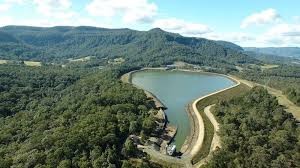
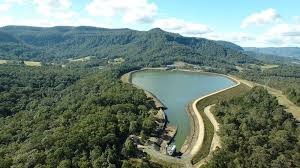
Origin Energy's proposed expansion of the Shoalhaven Pumped Hydro Scheme in New South Wales aimed to add 235 MW of capacity to the existing 240 MW system, nearly doubling its output. The project featured constructing a new underground power station between Fitzroy Falls Reservoir and Lake Yarrunga, utilising existing infrastructure to minimise environmental impact. CPB was one of the shortlisted tenderers to submit EPC pricing in 2022.
Image: reneweconomy.com

Tender
Snowy 2.0
New South Wales, Australia

A major pumped hydro expansion of the Snowy Mountains Scheme, the project involves constructing a 27-kilometre underground tunnel system connecting the existing Tantangara and Talbingo reservoirs. At full capacity, Snowy 2.0 will add 2,200 megawatts of generation capacity and provide approximately 350,000 megawatt-hours of energy storage. The CPB Ghella JV working with UGL and AFRY submitted a tender for the project in 2018.


ECI
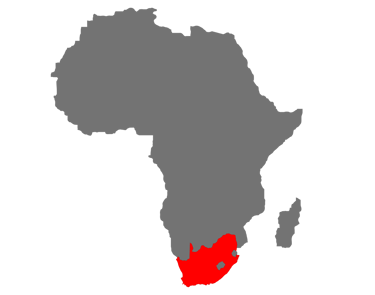
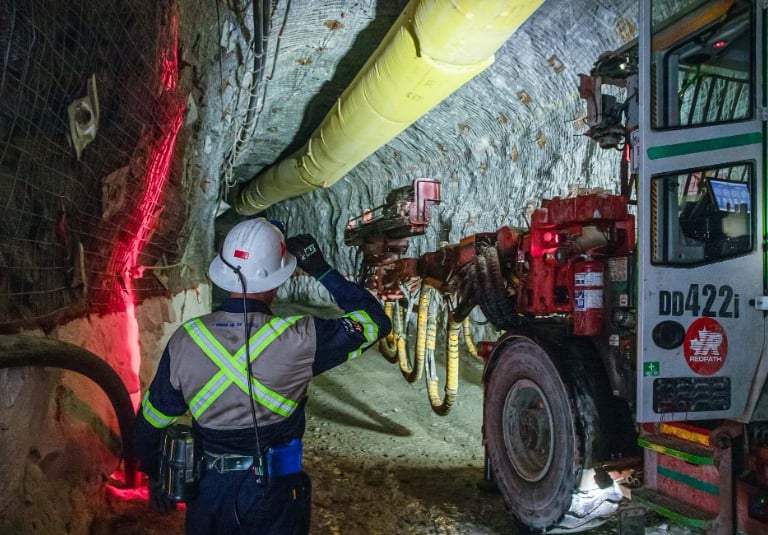
Mogalakwena Platinum Mine
Limpopo Province, South Africa
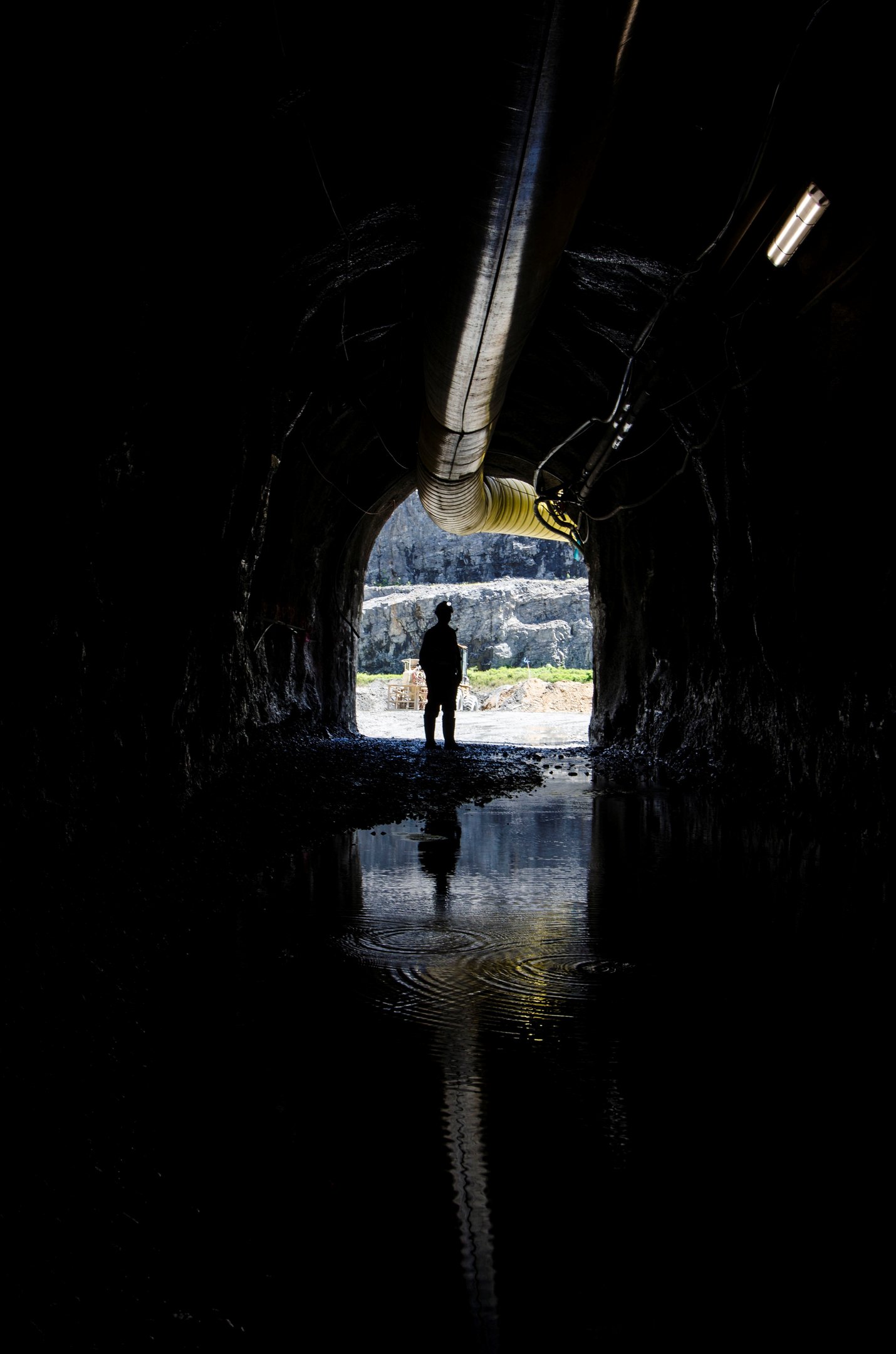
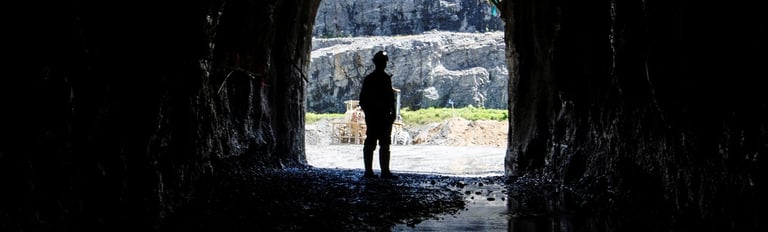
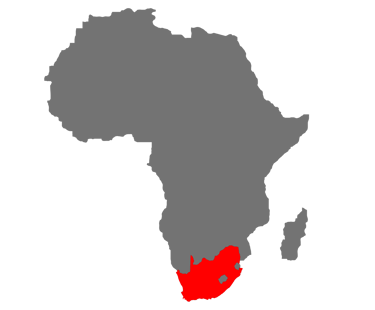
The Mogalakwena platinum mine, situated near Mokopane in Limpopo, South Africa, is the world's largest open-pit platinum mine. In recent years, Mogalakwena has embarked on a significant underground expansion to access deeper ore bodies beneath the existing pits. Redpath Mining has been developing a 3,000 metre long, 6m x 5.5m exploration decline, with portal construction initiated within the open pit. In this process during 2024, CPB in JV with Redpath responded to a request to develop a process featuring the use of a Herrenknecht TBM to develop an access and conveyor tunnel to a new section of the mine.
Image redpathmining.com
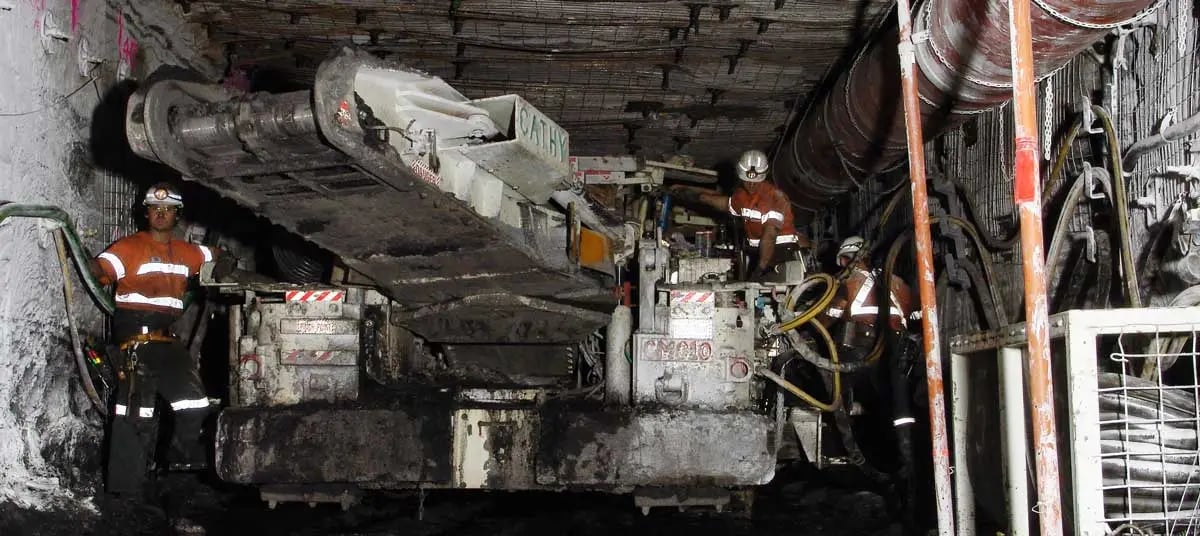
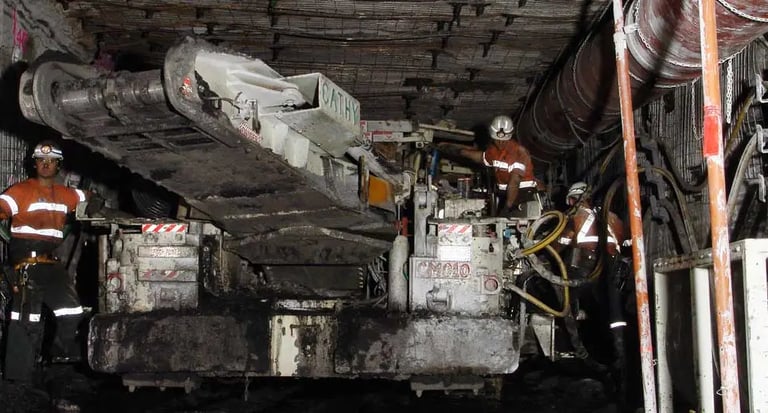
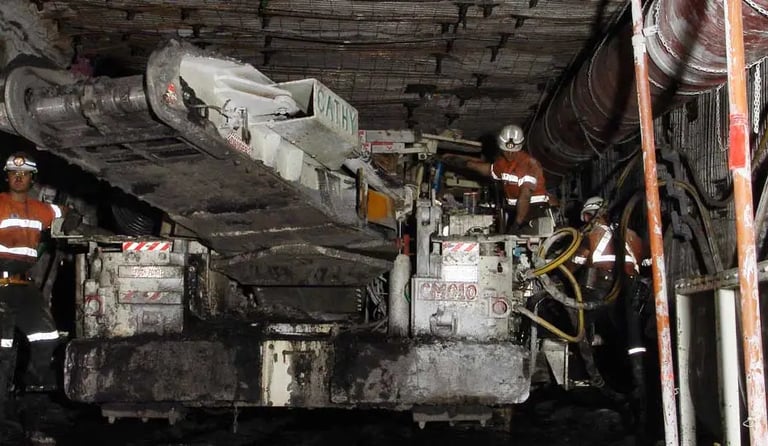
The Kestrel Mine, located approximately 40 km northeast of Emerald, Queensland, is a significant underground coal operation producing high-quality coking and thermal coal. Originally known as the Gordonstone Mine, it commenced operations in 1992 and was later renamed Kestrel following Rio Tinto's acquisition in 1999. In 2013, the $2 billion Kestrel South expansion extended the mine's life by 20 years and increased production capacity to six million tonnes per year. This expansion accessed the 400/500 series longwall panels in the German Creek Seam, with mining depths ranging from 300 to 470 metres and seam thicknesses between 2.5 and 3.1 metres. The project was notable for being the largest underground coal development in Australia since the 1990s. The Kestrel West Extension aims to extend the mine's life to approximately 2050, maintaining annual production rates between 9.0 and 11.0 million tonnes of run-of-mine coal. The mine employs longwall mining techniques and utilises a 7.9 km overland conveyor to transport coal to its processing facility.

Image mastermyne.com.au
Project
Kestrel Mine Expansion
Emerald, Queensland, Australia
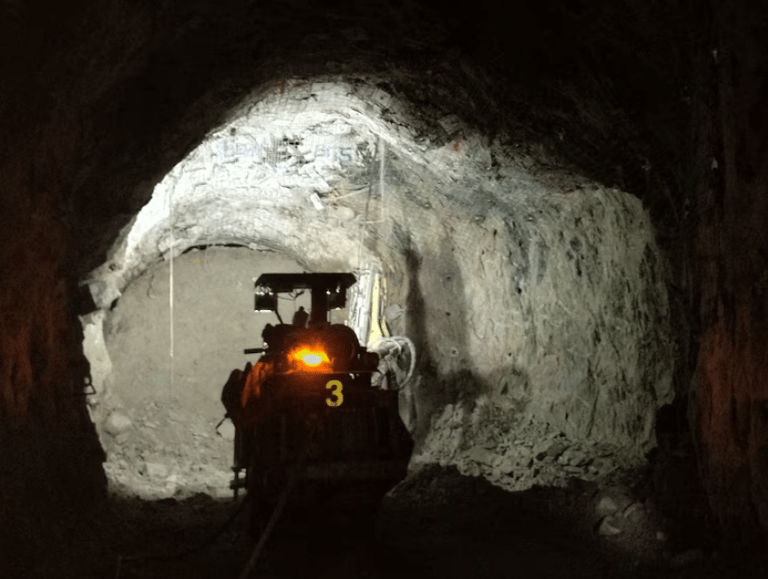
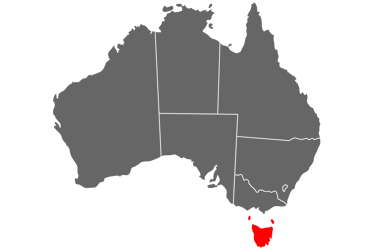
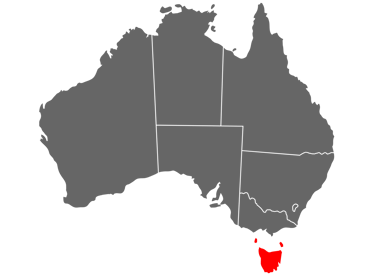
Image abc.net.au (Selina Bryan)
Project
Henty Gold Project
Queenstown, Tasmania, Australia
The Henty Gold Project involved the construction and development of a new underground gold mine located approximately 23 kilometres from Queenstown on the West Coast of Tasmania. The scope of works established the primary underground access, shaft infrastructure, and initial mine development required to bring the ore body into production.
The scope of works included the dewatering and equipping of a 400 metre shaft, providing the principal access route for personnel, materials, and ore/waste hoisting between surface and the underground workings. Equipping works comprised installation of permanent shaft furniture, hoisting infrastructure, pipework, and cabling, undertaken in accordance with the approved shaft design and construction methodology. The development of levels and drives to the ore body was undertaken using conventional drill and blast methods. This work established the underground opening network required to provide access to the mineralised zones ahead of production mining and was carried out in conjunction with associated construction activities.
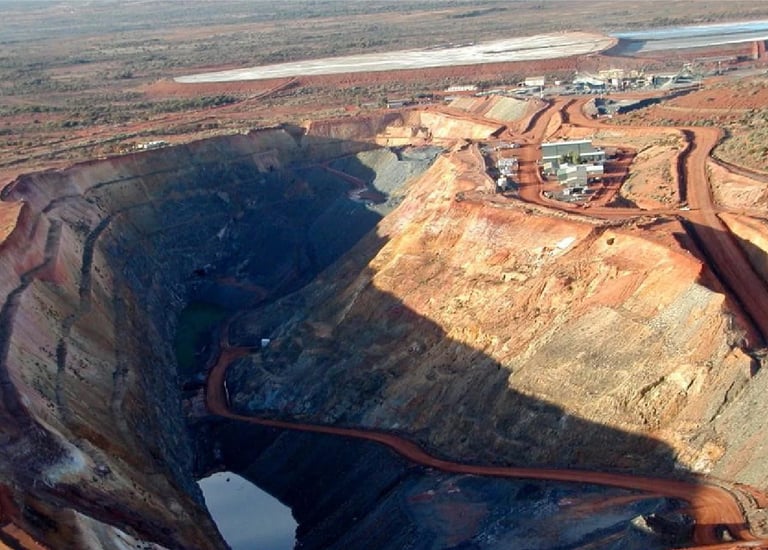
The Darlot Underground Gold Project comprised the development of a new underground gold mine at the Darlot deposit, located in the Eastern Goldfields region of Western Australia, approximately 58 kilometres east of Leinster. The project was undertaken to transition the operation from open cut extraction to underground mining, providing continued access to the gold bearing ore body at depth.
The development of the underground mine established the initial access declines, levels, and drives required to reach the ore body. Development work was undertaken using conventional drill and blast method and provided the foundation for subsequent production mining of the ore body at Darlot.


Image master-builders-solutions.com
Project
Darlot Gold Mine
Leonora, Western Australia, Australia
Expertise
Partners for underground and energy project development, procurement and delivery
Underground and Energy Partners is a trading name of Trade Ventures Pty Ltd (ABN 70 124 093 241). This website is for general information only and does not constitute professional advice.
See our Legal and Privacy notice
© 2026 Trade Ventures Pty Ltd. All rights reserved
Brisbane, Queensland, Australia

Contact Us